
Fatigue Defensive Driving
If you are a solo driver working under Basic Fatigue Management hours and drive a vehicle with a GVM greater than 12 tonnes, in a period of 9 hours what is the minimum rest time?
When driving in wet weather, your vehicle will:
If you are a solo driver working under Standard Hours and drive a vehicle with a GVM greater than 12 tonnes, what is the maximum number of hours you may drive in any seven day period?
It is important to scan while driving so you can see everything that is happening on the road. What does scanning involve?
When it is very foggy during the day or night and your vehicle has no fog lights, you should
Under good conditions, when driving behind any vehicle, at any speed, you should:
In wet weather when it becomes hard for you to see, you should:
When going on a long trip, out of the following which is the most important to do?
If you are working under Standard Hours and drive a vehicle with a GVM greater than 12 tonnes, in a period of 8 hours what is the minimum rest time?
Driver fatigue can be prevented by which of the following:
How many days of work diary driving records must you keep in your vehicle?
If you are working under Standard Fatigue Management Hours, in a two-up arrangement, what is the maximum number of hours you are allowed to work in any 7 day period?
While driving, you come across aggressive, selfish or ignorant driving behaviour by another driver. You should:
If you get sleepy while driving, it is best to
The only effective way to deal with driver fatigue is to:
In addition to your work and rest hours what must you include in your work diary?
Most crashes caused by fatigue occur between what hours?
At night you should:
When driving on a slippery wet road, for example, one covered in early morning dew, your vehicle will:
At night, if an oncoming vehicle's headlights dazzle you, you should:
If you are working under Standard Fatigue Management Hours, what is the maximum number of hours you are allowed to work in any 24 hour period?
At night, when you approach an oncoming vehicle, you should:
If you are driving and it starts to rain, you should
Why should you avoid heavy braking on a wet road?
You should leave a gap between your vehicle and the one you are following. In good conditions the gap should be:
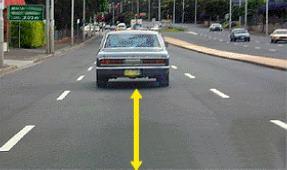
If you are working under Standard Fatigue management Hours, in a two-up arrangement what is the maximum number of hours you are allowed to work in any 24 hours period?
Not enough to pass :-(
You have answered 0 correct out of 26 question(s).
What's Next?
Review your answers
See which answers you chose and what the correct answers are.
Study Guide
Review all the correct answers.
Question: {counter}
{question}
- {options}