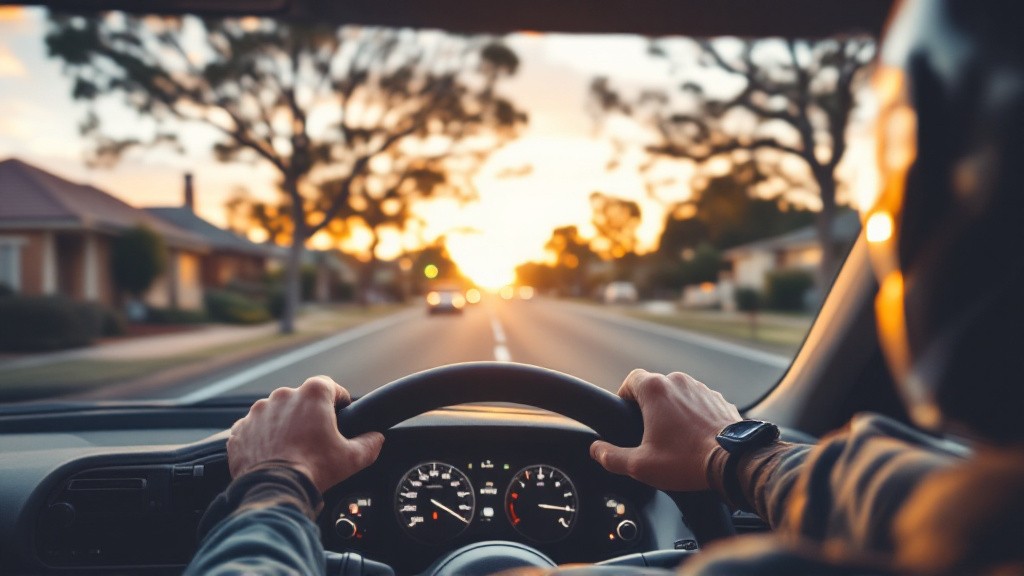
One subject at a time, start to finish
A topic set gives you one subject from beginning to end. No mixed questions, no clock, no score to protect. It is the tool for fixing a weakness, not for finding one. A practice test runs across all 12 subjects and shows where you drop marks; a topic set then lets you grind that single subject until the rule arrives before you have finished reading the options. Use them in that order and you stop spending evenings on material you already know. For a rider coming off a car licence, the bike sets are the new material and the sign and intersection sets will already feel familiar. There are 12 topic sets here, covering 549 questions between them.
Choosing which subject to open
Do not work all 12. Work the two or three that are costing you marks, and leave the rest alone until they do.
- 1
Let a practice test choose for you
Sit find your weak topics first and note every subject that cost you a mark.
- 2
Shortlist two or three, no more
Your evening goes into the subjects you miss, not the ones you already clear.
- 3
Say the rule before you read the options
Recognising the right answer is not the same as knowing the rule. Keep going until you can say it first.
- 4
Prove it on a fresh mixed set
Go back to a practice test you have not sat yet and see whether the fix held.
All 12 rider subjects, with their counts
Here is every subject on this page and how many questions it holds. Bike Specific (92), Intersections (84), Rider Safety (68), Pedestrians (54), Traffic Signs (51), Negligent Driving (50), General Knowledge (42), Traffic Lights and Lanes (33), Alcohol and Drugs (28), Fatigue and Defensive Driving (26), Speed Limits (15) and Bribery and Cheating (6). Twelve sets, 549 questions in total. Read the counts as a map of where the reading sits, not as a difficulty order. The three biggest sets will each take more than one sitting. Speed Limits and Bribery and Cheating clear in minutes, so use them to finish an evening rather than to start one. Open a set below, work it end to end, then come back for the next one on your shortlist.
Alcohol Drugs
Bike Specific

Bribery & Cheating
Fatigue Defensive Driving
General Knowledge
Intersections
Negligent Driving
Pedestrians
Rider Safety
Speed Limits
Traffic Lights Lanes
Traffic Signs
The two subjects with no car equivalent
Bike Specific and Rider Safety are the reason this stream exists. Bike Specific is the largest set here at 92 questions: road position within a lane, filtering rules, what you may and may not carry, and how a bike is ridden in traffic that was laid out around cars. Rider Safety holds 68: protective gear, being seen, braking on two wheels, and what to do when the surface changes under you. A car licence prepares you for neither, because none of it appears in a car learner's reading. Work both of these before the familiar sets, even if a practice test did not single them out, because comfort on the signs can hide how new the bike material still is.
When a subject is actually done
A subject is done when you can state the rule without the options in front of you, not when the right answer looks familiar. Test it the cheap way: close the set, say the rule out loud, then open it and check. If you hesitate, the set is not finished. The progress figure on this page counts only the answers you give here, so use it to see whether a subject is improving, not to decide you are ready for the real test. Readiness is a mock test question, not a topic question.
Turning topic work into a result
Once a subject holds, prove it under mixed conditions: sit a practice test, then put yourself under a mock test for full length in one unbroken sitting. If spotting hazards is the part you are unsure about, this site's hazard clips are at this site's hazard clips, and they train a different skill from rule questions. The questions in every set here follow NSW road rules, so check anything state-specific with the authority where you will sit the test. The rider licence steps that follow the knowledge test are set by Transport for NSW, so confirm the current requirements with them before you book dates.
Official sources
The rules on this page follow the official requirements published by Transport for NSW. Always confirm current rules and fees with the authority before you book.