
Traffic Lights Lanes
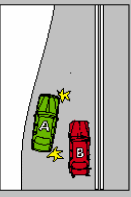
Looking at the diagram, which vehicle must give way?
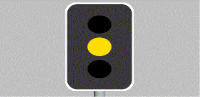
What should you do when approaching traffic lights which change from green to yellow?
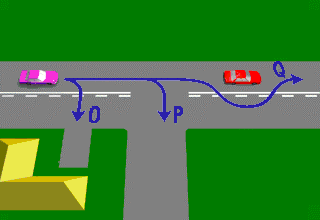
Which movements shown in the diagram can legally be made by the driver of the purple car?
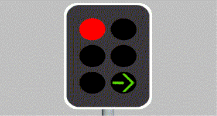
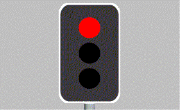
You are facing traffic lights (as shown). What do they mean?
You are driving a car and want to pick up a passenger. The lane you want to stop in is a BUS LANE. Are you permitted to stop there?
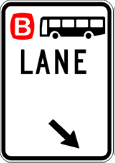
Are you permitted to make a U-Turn at traffic lights?
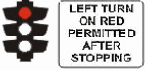
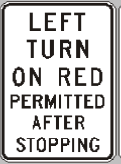
What may you do at an intersection with traffic lights at which this sign is displayed?
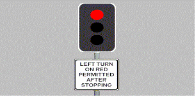
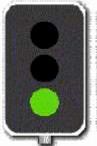
These lights mean that you:
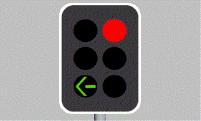
It is early morning and there is no other traffic about. You approach an intersection when the traffic lights change from green to yellow. What should you do?
Which movements shown in the diagram can legally be made by the driver of the purple car?
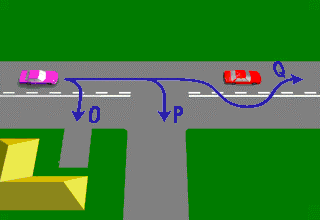
At traffic lights what is meant when a red light appears?
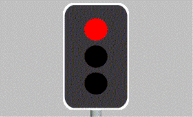
When driving on a multi-lane road with a speed limit of more than 80 km/h, which lane should you choose?
You change lanes and then see you are in a lane where the T3 rule applies. There is no other traffic in this lane. You have one passenger. What should you do?
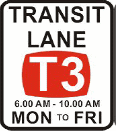
Double unbroken dividing lines are marked on a roadway. You may:
Signalling is:
When driving in traffic lanes (as shown in the diagram), you may change your lane:
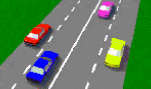
When the road is marked this way are you permitted to cross the lines and overtake?
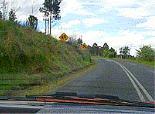
As you approach an intersection with traffic lights, the yellow light turns to red. You must:
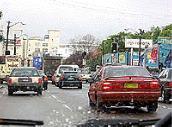
Before changing lanes you should:
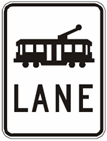
What does this sign mean?
As you approach a set of traffic lights at an intersection, they change from green to yellow (amber). You must:
You wish to turn left at this intersection. The traffic lights are red and you see this sign. You should:
You must use your indicator lights when
You wish to turn left at this intersection and the traffic lights are green. What should you do?
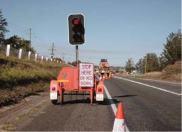
Temporary traffic lights at road works:
If you hear the siren of an emergency vehicle, you must
It is 3 o'clock in the morning. You cannot see any other traffic. You want to turn right. You may:
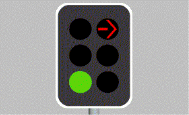
This light means, you:
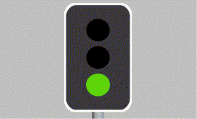
A section of road is marked with double unbroken dividing lines as in the diagram. When is a vehicle allowed to cross these lines?
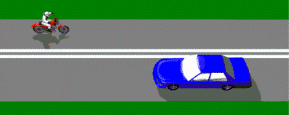
When the road is marked this way are you permitted to cross the lines to overtake the bicycle rider if the way forward is clear?
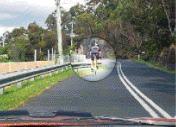
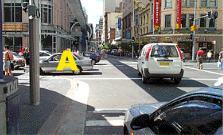
You are in car marked A. You wish to overtake car marked B. You should:
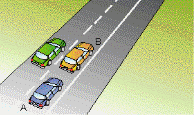
You want to turn left at this intersection. There is an edge line that continues through the intersection. Are you permitted to turn here?
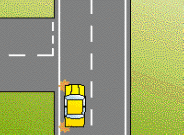
You are waiting at an intersection and the lights are red. The traffic lights change to green. You should:
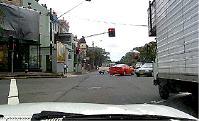
Overtaking another vehicle requires good concentration and judgement. Which of the following statements is correct?
When starting to overtake you see the dividing lines ahead change to double unbroken lines. What should you do?
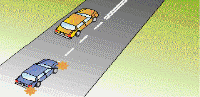
Where do you stop at temporary traffic lights?
Which movements shown in the diagram can legally be made by the driver of the purple car?
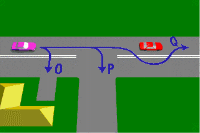
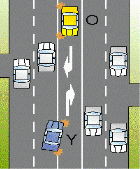
You are in car marked Y and want to turn right using a median turning lane. A car marked O, coming towards you, is already in the median lane; it is slowing down and indicating. Are you permitted to enter and share the median turning lane?
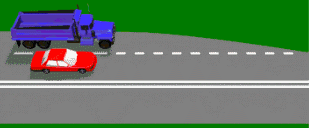
When two lanes merge into one (as shown in the diagram), who should give way?
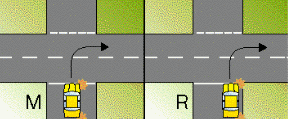
You are going to turn right from a one-way street. Where should you be when you start your turn?
How should you merge with traffic when entering a motorway?
You approach an intersection showing a red light and the sign shown. You wish to turn left. You must:
How should you merge with traffic when entering a freeway?
You drive into a transit lane where the T2 rule applies. You have one passenger plus yourself. Are you permitted to remain in the transit lane?
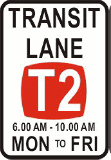
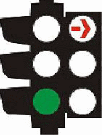
You want to turn right at an intersection and see this traffic light. You should:
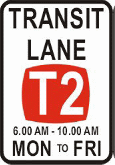
You are approaching the start of a T2 transit lane. You are the only person in the car. You want to turn left at the next intersection 200 metres away. Can you travel in the transit lane at this point?
Not enough to pass :-(
You have answered 0 correct out of 46 question(s).
What's Next?
Review your answers
See which answers you chose and what the correct answers are.
Study Guide
Review all the correct answers.
Question: {counter}
{question}
- {options}